I don’t read much literary criticism; I prefer my own mistakes about books to those of the learned. I make an exception for Randall Jarrell’s Poetry and the Age (1952), which I have read so often that I nearly have it memorized. Jarrell knew how poems are made, having made quite a few himself; and he could tell good poems from bad, having made quite a few of both.
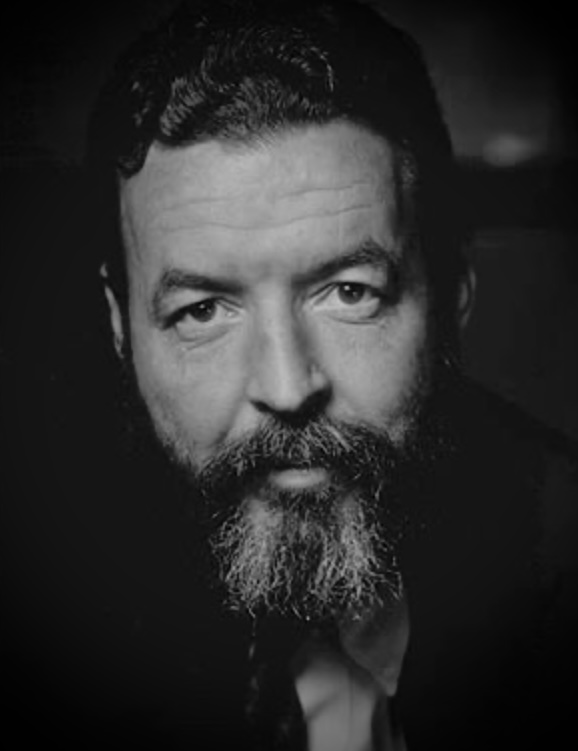
As a critic of new books, he inclined more to justice more than to mercy. It is said that when he died, in 1965, scores of unpublished manuscripts emerged from desk drawers. His damning reviews of books were all the more feared by the books’ authors because of the very great likelihood that he was right. His friend Robert Lowell said “Randall was so often right that we started to think that he was always right.”
But there is little of the fierce and feared critic in the essays gathered in Poetry and the Age. This collection includes a pair of once famous essays, “The Age of Criticism” and “Poetry and the Age”, in which he laments how little people read anymore, and how little of what they read is worth reading. This is a familiar complaint; and the one thing that people are still reading is books about the lamentable decline of reading.
But Jarrell’s sadness at the decline of reading seems genuine and wholly disinterested. It bothered him that manual laborers on their lunch hour don’t pull volumes of Shelley or Hardy out of their lunch pails and enjoy them along with their coffee and baloney sandwiches. The poems of Shelley and Hardy, after all, are naturally good, like hot coffee, like baloney sandwiches. Why are people denying themselves the pleasure?
His effort as a critic was to make people see what they could see for themselves if they would only look — that the large and generous imaginations of our poets and writers have left us a store of consolation and wisdom that we wrong ourselves to overlook. His poem “Children Selecting Books in a Library” ends with these lines:
What some escape to, some escape: if we find Swann's
Way better than our own, and trudge on at the back
Of the north wind to — to — somewhere east
Of the sun, west of the moon, it is because we live
By trading another's sorrow for our own; another's
Impossibilities, still unbelieved in, for our own…
"I am myself still?" For a little while, forget:
The world's selves cure that short disease, myself,
And we see bending to us, dewy-eyed, the great
CHANGE, dear to all things not to themselves endeared.
We have invented for ourselves many way to avoid what waits for us in books; Jarrell would have had unforgettable things to say about the electronic distractions which we have chosen to give ourselves to. Another way of avoiding the good in books is to make the reading of them a business. He had this to write about a distinguished but burdened critic of his acquaintance:
The critic said that once a year he read Kim; and he read Kim, it was plain, at whim: not to teach, not to criticize, just for love—he read it, as Kipling wrote it, just because he liked to, wanted to, couldn’t help himself. To him it wasn’t a means to a lecture or article, it was an end; he read it not for anything he could get out of it, but for itself. And isn’t this what the work of art demands of us? The work of art, Rilke said, says to us always: You must change your life. It demands of us that we too see things as ends, not as means—that we too know them and love them for their own sake. This change is beyond us, perhaps, during the active, greedy, and powerful hours of our lives; but duringthe contemplative and sympathetic hours of our reading, our listening, our looking, it is surely within our power, if we choose to make it so, if we choose to let one part of our nature follow its natural desires. So I say to you, for a closing sentence, Read at whim! read at whim!”
Poetry and the Age also includes essays about Robert Frost and Walt Whitman that made the learned world blush that it had ever condescended to these great poets, and an essay about Jarrell’s mentor, John Crowe Ransom, that is the best thing about Ransom that I have ever read.
Criticism such as Jarrell’s is full of insights about writers and reading, but its great merit, in my opinion, is that it makes you set criticism aside and turn to the poems and stories that we live less fully and joyously by neglecting.

 Books Matter